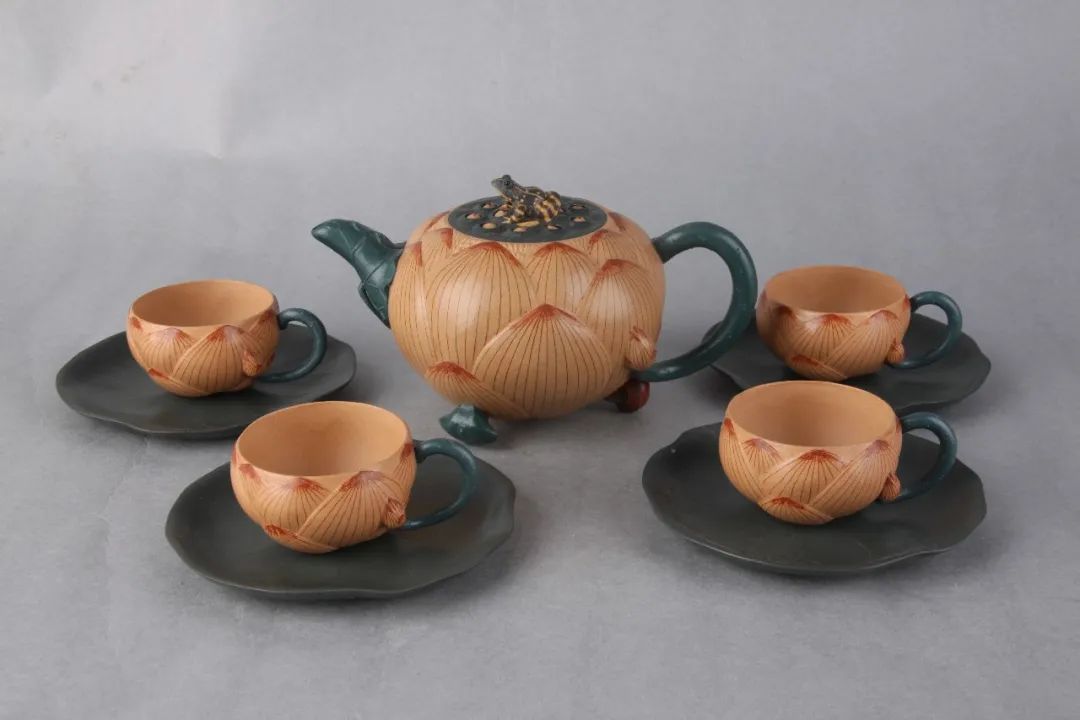
Yixing Ceramic
Introduction
Yixing Ceramics, originating from Yixing, Jiangsu province, is renowned for its exquisite craftsmanship and unique purple clay teapots. Known also as Zisha pottery, these pieces have a storied history, making Yixing a pivotal center for ceramic production in China. The ceramics, especially the teapots, have become a cultural symbol and are highly prized for their unique properties and artistic value.
Historical Background
Yixing's legacy as a ceramic hub began around the Ming Dynasty (1368-1644). A significant factor contributing to the city's prominence in pottery was the shift in tea consumption habits. During this period, the brewing of tea leaves in teapots replaced the boiling of hard-pressed tea bricks. This change spurred the demand for teapots, and Yixing artisans responded by crafting teapots that could retain the tea aroma and enhance its flavor.
Kilns were prolific in the region, notably on Qinglong (Green Dragon) Mountain and Huanglong (Yellow Dragon) Mountain. Although many ancient kilns have been lost over time, the Qianshu Dragon Kiln in Dingshu town, Yixing, remains operational, using traditional methods to produce ceramics.
The Art of Zisha Pottery
Zisha, or purple clay, is a unique material native to Yixing, characterized by its unglazed, porous texture that allows the teapot to breathe. This property helps to maintain the tea's aroma and taste over time. The clay is mined from local rock deposits, and its mineral composition gives it a distinctive grainy but smooth finish once fired.
Yixing teapots are primarily handmade, crafted with minimal tools such as bamboo spatulas, small hammers and steel needles. The artisans spend years honing their skills to shape wet clay into perfect forms. This meticulous process results in teapots that are not only functional but also considered art pieces. Some renowned artisans, like Gu Jingzhou, have achieved high acclaim, with their works fetching millions at auctions.
Cultural Significance
Yixing ceramics hold a cherished place in Chinese culture, especially among tea connoisseurs and the literati. The teapots have been part of the cultural lexicon since the Song Dynasty (960-1279), reflecting the sophistication and refinement associated with tea drinking.
The cultural importance of Yixing ceramics extends beyond China, attracting global interest. Artisans like Christopher Jenner have also contributed to this legacy by incorporating contemporary design elements with traditional craftsmanship, thereby broadening the appeal of Yixing ceramics to an international audience.
Modern Development
The city of Yixing continues to evolve its ceramic industry by blending traditional techniques with modern technology. The application of digital design and 3D printing has allowed artisans to explore new forms and dimensions while preserving the heritage of purple clay craftsmanship.
Yixing's commitment to its ceramic roots is evident in the establishment of museums and cultural events that celebrate this art form. For instance, the Yixing Ceramics Museum showcases priceless teapots and provides visitors with the opportunity to create their own clay pieces.








